Diffusion Bonding in 3D-Manufacturing of Titanium Alloy Structures
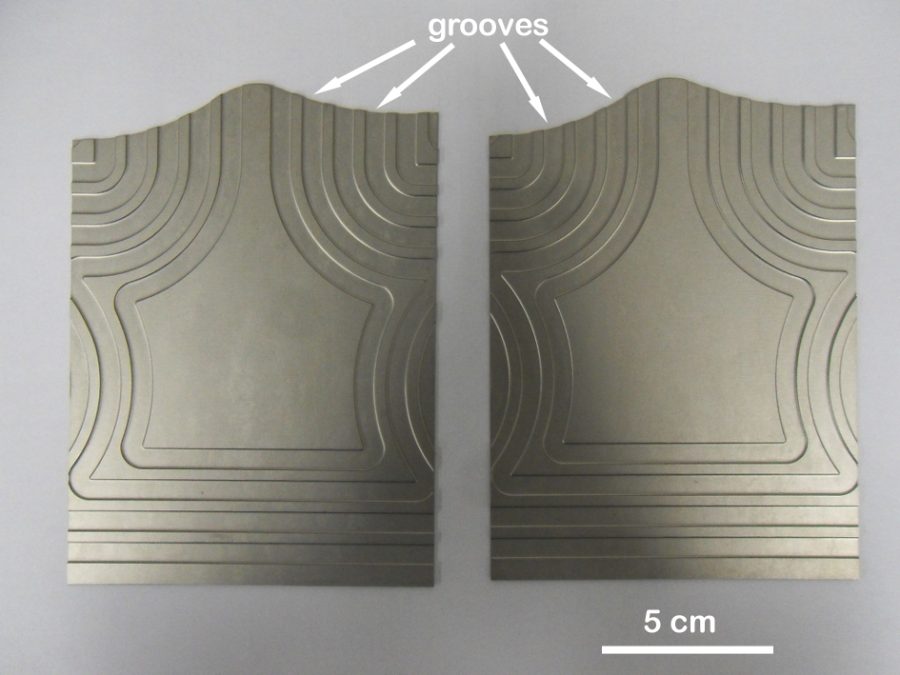
Fig. 1: Optical images (“top view”) of the initial Ti-6Al-4V alloy parts.
Read article →Leading High-Tech Brazing Innovations
Mat-Tech is always at the forefront of global advancements in high-tech brazing. Our Development & Testing Department not only taps into the latest research but also plays an active role in various international initiatives. We believe in disseminating the insights we gain with our clients, industry colleagues, and other stakeholders with an interest in high-tech brazing. Catch us sharing our expertise at exhibitions, workshops, and through this platform, among other channels.
Fig. 1: Optical images (“top view”) of the initial Ti-6Al-4V alloy parts.
Read article →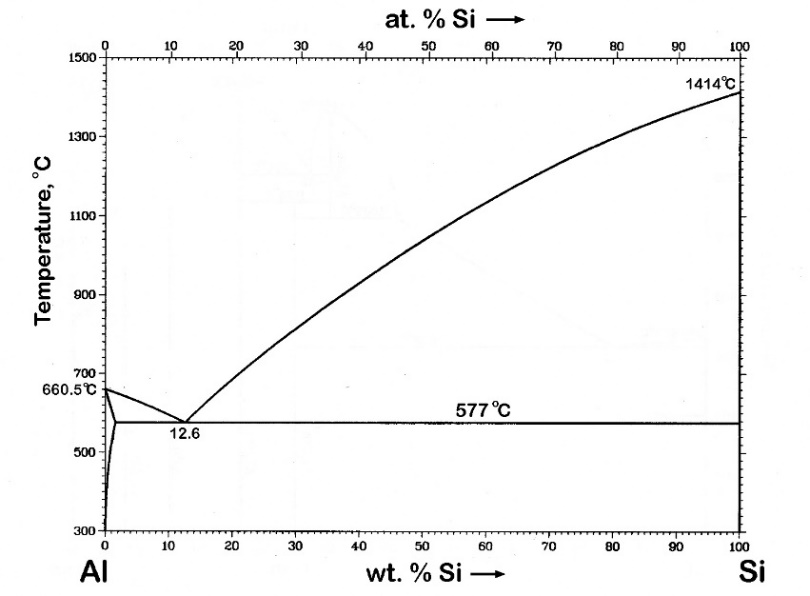
ABSTRACTSuccessful brazing of any Aluminium alloy requires prior removal of the native surface oxide film,which is usually done by…
Read article →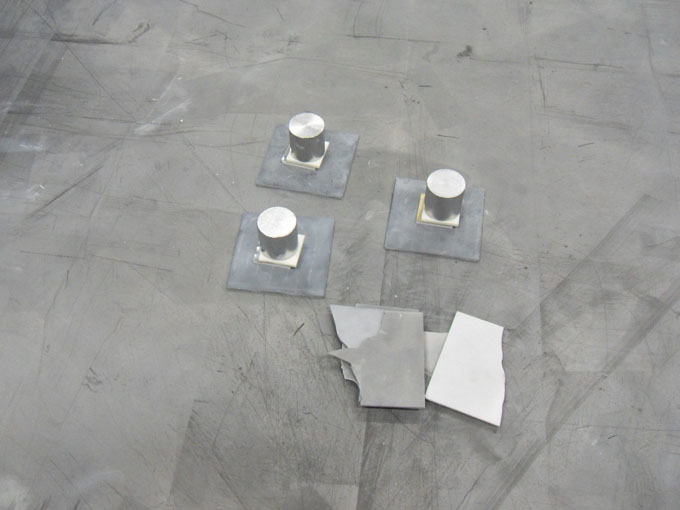
Aluminium Oxide Ceramics due primarily to its good heat conductivity (of about 30 W×m-1×K-1) and a relatively low cost is considered as an…
Read article →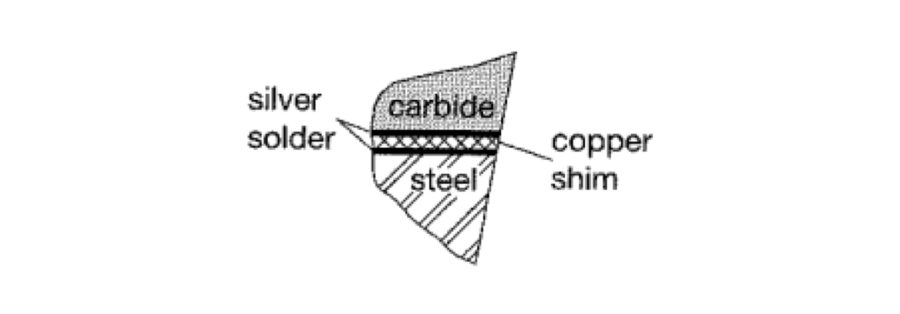
Although cemented carbide is resistance to thermal shock, it will not withstand stresses caused by severe thermal gradients when brazed to…
Read article →
Brazing of several refractory metals, namely, Tungsten, Molybdenum and Niobium as wellas austenitic stainless steel AISI 304 to pure Copper…
Read article →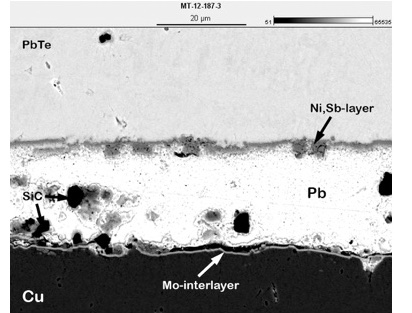
Our previous investigation of the interfacial regions in the ”(p-n) thermocouple” / Cu- connector assembly (Project No. 2012-3067-0616) was…
Read article →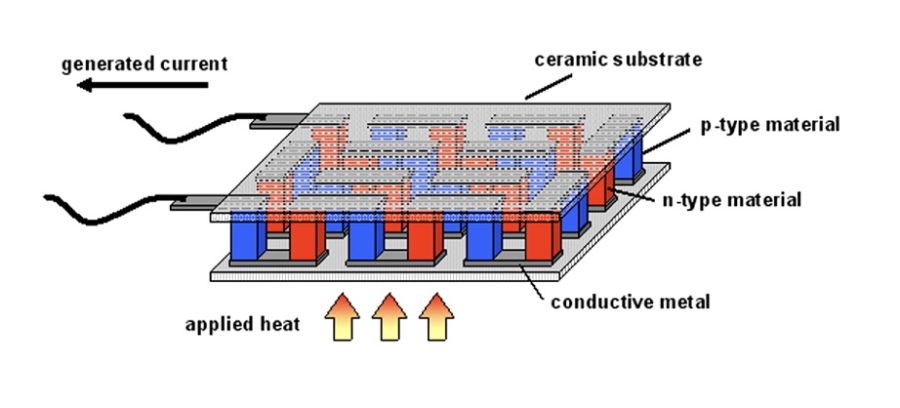
The continued demand for reliable sources of energy can be addressed by the discovery of new sustainable energy sources as well as…
Read article →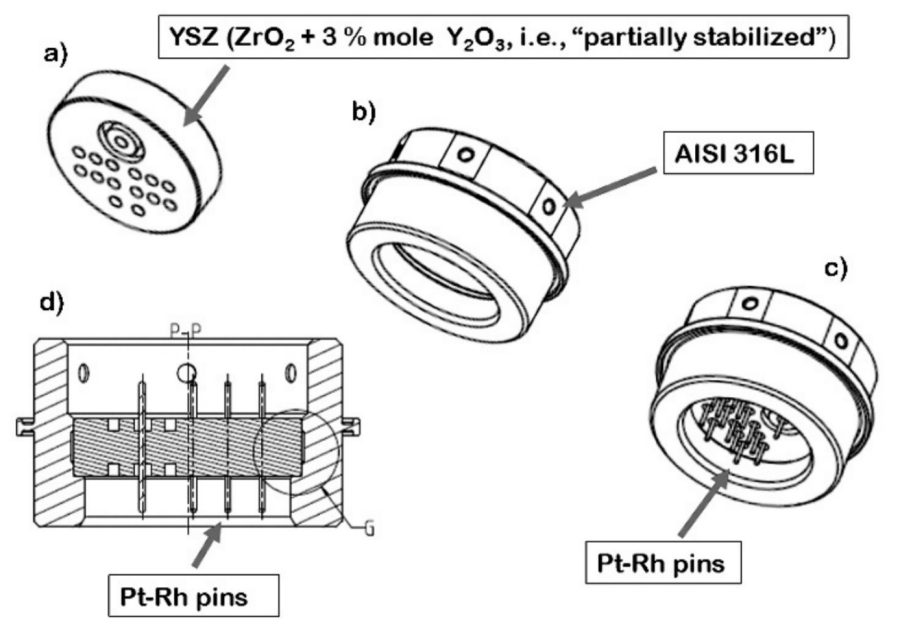
The present Project is dealing with the fabrication of electrical (high-voltage) feedthrough consisting of YSZ (ZrO2 + 3 % mole Y2O3) body…
Read article →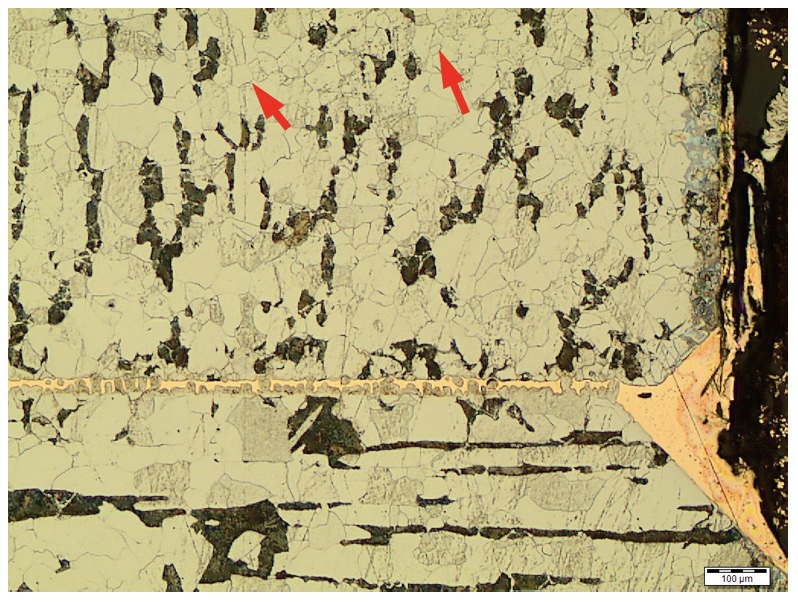
Composition (in weight %) of the low-carbon, low-alloy P265GH-(“killed”) steel is C0.2; Si0.4; Mn 0.8-1.4; P0.025; S0.015; N0.012; Cu0.3;…
Read article →
Aluminium Oxide Ceramics is considered as an attractive material in designing of various components when “thermal management issues” are of…
Read article →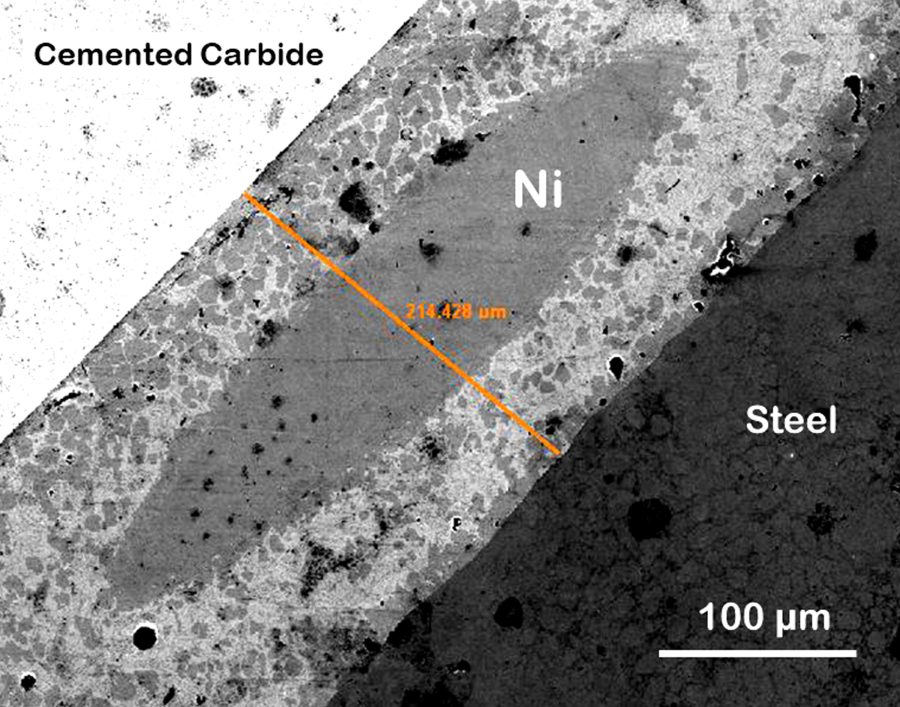
Brazing and Diffusion Bonding TZM to Graphite Using Cu, Ti, Pd and Cr Filler Metals
Read article →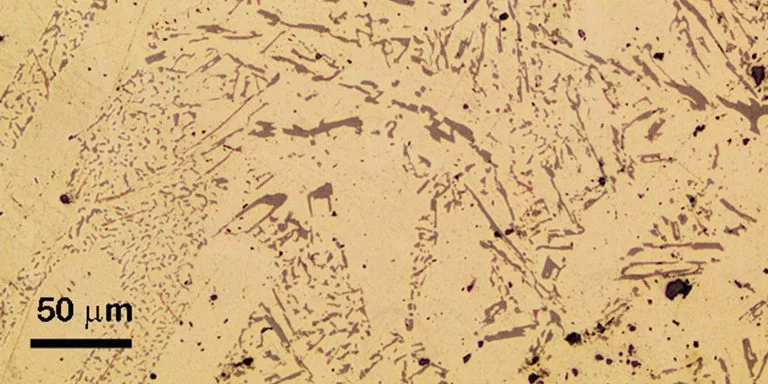
One can braze the higher Mg-content heat-treatable AA-6082 series Al alloys, (containing Mg, Si, Fe, Mn, Cr, Zn, Ti), with a near-eutectic…
Read article →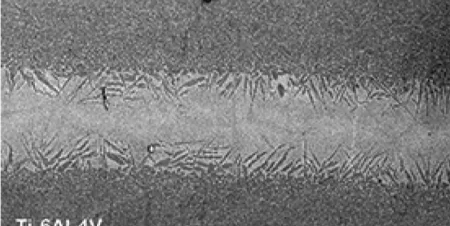
This combination of technologies is essential in designing various plate and shell-type heat-exchangers. Application is shown in the…
Read article →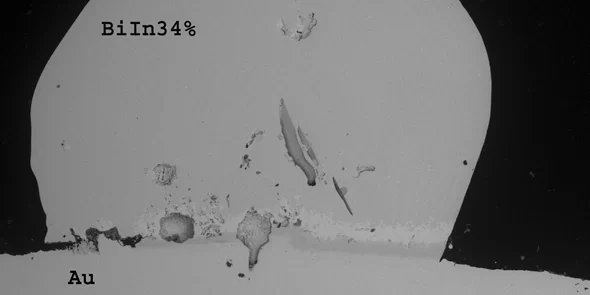
Thermo-mechanical stresses that built up from cool-down after soldering will affect the overall longevity performance of such devices. To…
Read article →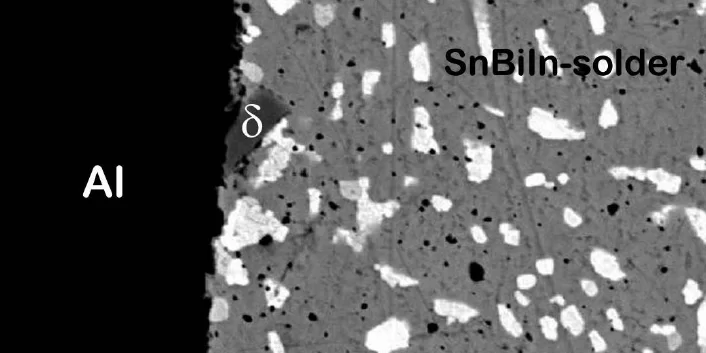
Certain Aluminium alloys can be successfully soldered using low melting solders. Read here how we do it.
Read article →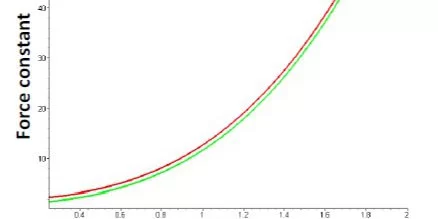
The stand-off of a flip-chip is governed by the equilibrium between the weight of the chip and the counteracting spring formed by the…
Read article →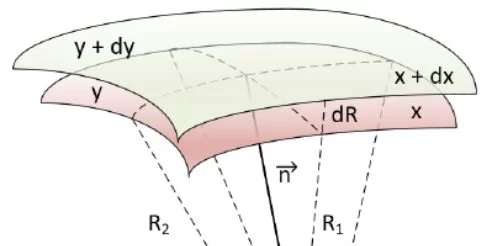
The shape of a liquid drop is governed by what is known as the Young-LaPlace equation. It was derived more or less simultaneously by Thomas…
Read article →
Transient Liquid Phase Bonding is applied well below the aging temperature (450-480˚C) of the CuCrZr-alloy, whereas the resulting joints…
Read article →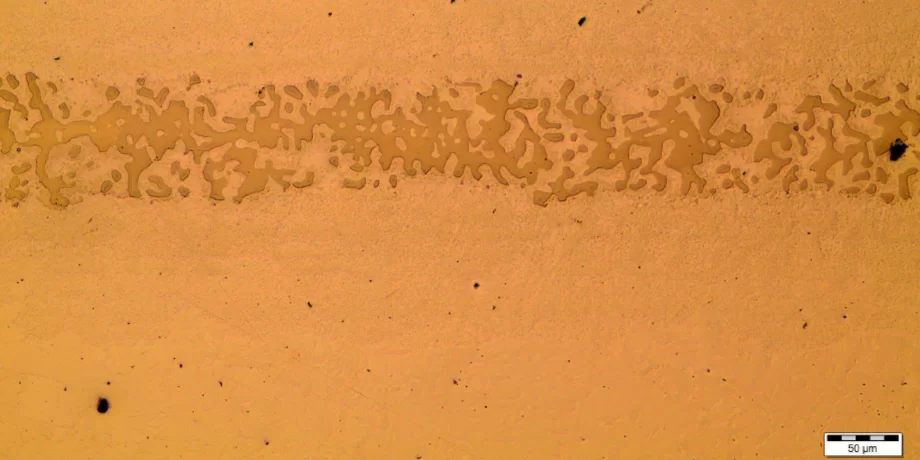
Ultra-low melting leadfree solder compositions can be used for stress reduction in joints in a bio-ambient or temperature sensitive…
Read article →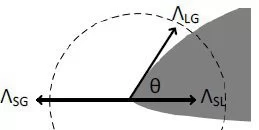
The relation between surface tension and contact angles as a measure for the wetting capability is due to Thomas Young (1804). A short…
Read article →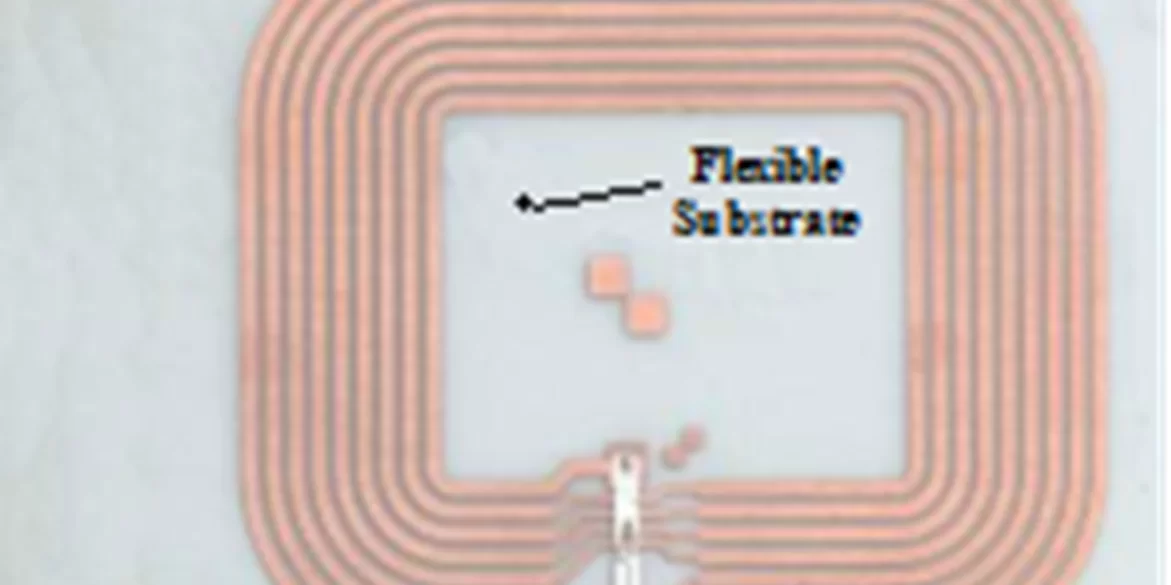
For tracking of assets, low-cost interconnect technologies are required. This can be achieved through a low melting lead-free matrix with…
Read article →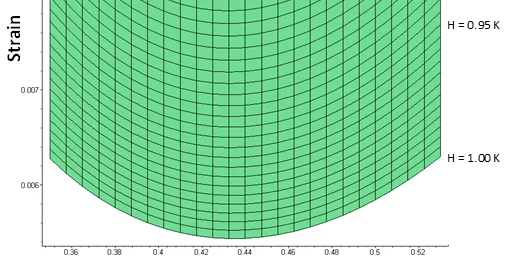
In case one assumes that the bump is built from shearing discs, a simple model of a deflected bump can be made.
Read article →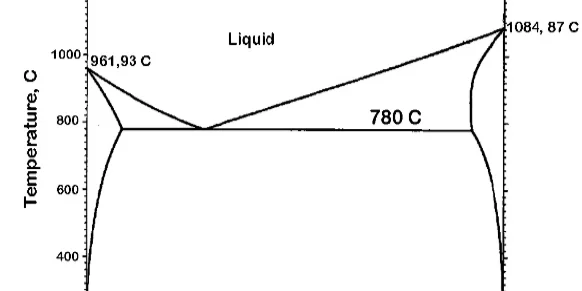
The material of CLIC accelerating structure disks is high conductivity Oxygen-free-electronic Cu. Fabrication of the CLIC disk stack occurs…
Read article →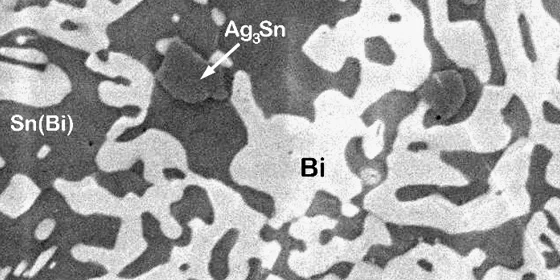
Soldering with low-temperature Pb-free alloys is a viable replacement for conductive adhesives in back-contacted solar panels.
Read article →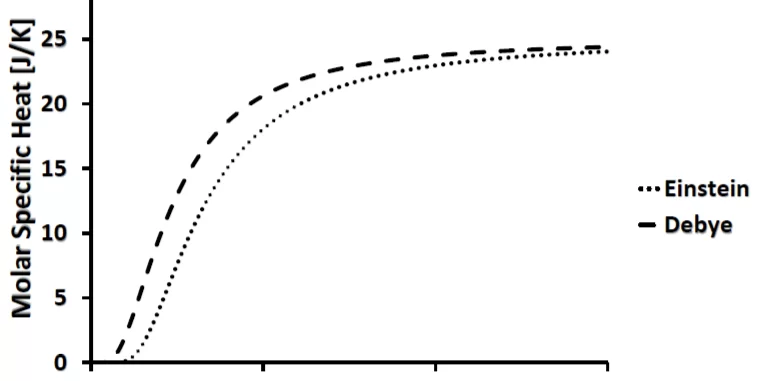
In 1819 Pierre Louis Dulong and Alexis Thérèse Petit found that the specific molar heat for metals is approximately 3 R @ 25 J/K. Here R is…
Read article →Let's talk